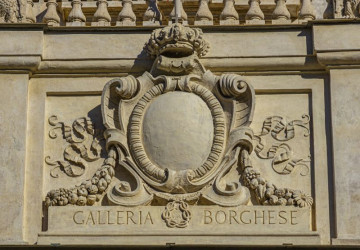
Among the most fascinating museums in Rome, the Borghese Gallery holds a truly special place. Located inside the beautiful setting of Villa Borghese, in the heart of the capital, it houses one of the most important art collections in the world. What makes it unique? It is not just a museum, but a historic villa where every room tells the story of the relationship between art, power, and beauty.
Visiting the Borghese Gallery means entering an elegant and intimate environment where you can admire some of the greatest masterpieces of Italian art up close. From marble sculptures to Renaissance paintings and Baroque works, the museum itinerary allows you to discover artists such as Bernini, Caravaggio, Raphael, Titian, and Canova.
If you are planning a trip to Rome and want to discover one of the city’s most important cultural attractions, the Borghese Gallery is a must-see stop.
The history of the Borghese Gallery
The history of the Borghese Gallery in Rome dates back to the early 17th century and is closely linked to Cardinal Scipione Borghese, a great art enthusiast and nephew of Pope Paul V. He was the person who began creating an extraordinary private collection, acquiring works by the most important artists of his time.
The villa was designed as a residence outside the city centre, a place where culture, nature, and the prestige of the Borghese family could be celebrated. The goal was to create a space where artworks were not simply displayed, but could interact with the surrounding rooms and architecture.
This feature still makes the Borghese Gallery different from many other museums today: the artworks are displayed inside the original rooms of the villa, decorated with frescoes, stuccoes, and architectural details that make the experience even more fascinating.
Over the centuries, the collection has gone through several historical events, but it has managed to preserve its extraordinary value. Today, it represents one of the most important collections of Italian art and attracts visitors from all over the world.
What to see at the Borghese Gallery
There are many Borghese Gallery masterpieces that deserve attention, but some artworks have become true icons in the history of art.
One of the museum’s absolute highlights is Gian Lorenzo Bernini, the leading artist of Roman Baroque. His sculptures reveal an extraordinary ability to transform marble into movement, capturing emotions and gestures with incredible realism.
Among the most famous works you can admire:
- Apollo and Daphne, which depicts the moment when the nymph transforms into a tree to escape Apollo. The incredible attention to detail and the dynamic composition make it one of the greatest examples of Baroque sculpture.
- The Rape of Proserpina, famous for its astonishing details, such as Pluto’s hand appearing to sink into the skin of the young woman.
- David, one of the most dynamic representations of the biblical hero, shown in the moment before throwing the stone at Goliath.
The Borghese Gallery also houses one of the most important collections of works by Caravaggio. The Lombard painter, famous for his revolutionary use of light and the dramatic contrast between shadow and brightness, is represented by some of his most significant paintings.
Among these are David with the Head of Goliath, Saint Jerome Writing, and Boy with a Basket of Fruit. These works showcase his realistic style and his ability to express intense emotions through the faces and gestures of his subjects.
Another unmissable masterpiece is Pauline Bonaparte as Venus Victrix by Antonio Canova. Created in white marble, the sculpture portrays Napoleon Bonaparte’s sister in an elegant and refined pose, becoming one of the most famous symbols of Neoclassical art.
The museum also features works by great Renaissance masters such as Raphael and Titian, with paintings that reflect the evolution of Italian art through harmony, colour, and technical perfection.
How long does a visit to the Borghese Gallery take?
One of the most common questions concerns how much time you need to visit the Borghese Gallery. Generally, a visit lasts around two hours, which is enough time to admire the main artworks without rushing.
Unlike other large Italian museums, the Borghese Gallery is smaller in size and offers a more intimate and relaxed experience. The rooms are not endless, allowing you to focus on the details of the artworks and the stories they tell.
To make the most of your visit, it is recommended to arrive a few minutes early and plan your itinerary according to your reserved entry time, as booking in advance is required to access the museum.
After your visit, you can continue your day with a walk through the Villa Borghese Gardens, one of the most beautiful parks in Rome. With tree-lined paths, fountains, and panoramic viewpoints, it is the perfect place to relax after exploring the museum.
Borghese Gallery tickets: what you need to know
To visit the Borghese Gallery, it is important to buy your ticket in advance, as entrances are organised in timed slots and the number of available places is limited.
Booking ahead allows you to avoid long waits and plan your Roman itinerary more effectively. The museum is located in a central area of the city, easily connected to the main attractions, and is the perfect addition to a day dedicated to discovering Rome’s artistic treasures.
Thanks to its location inside Villa Borghese, you can combine your visit with other iconic places in the capital, such as Piazza del Popolo, Piazza di Spagna, and the historic city centre.
How to reach the Borghese Gallery
The Borghese Gallery is located in Piazzale Scipione Borghese, inside Villa Borghese, and can be easily reached by different means of transport.
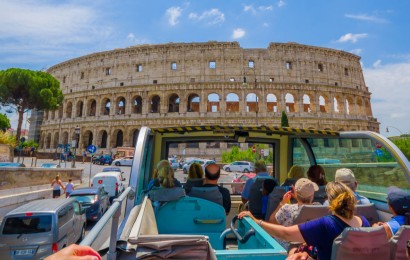
If you want to visit Rome without worrying about transportation, you can choose the Green Line Tours Hop On Hop Off service, a convenient solution to reach the city’s main attractions and create your own itinerary with complete freedom.
The most convenient stop to reach the Borghese Gallery is Piazza Barberini, from where you can continue on foot through the city centre and reach Villa Borghese.
Buy your Green Line Tours Hop On Hop Off ticket and discover Rome by getting on and off at stops near the city’s most famous monuments and must-see attractions.